


For the modern traveler, a souvenir is no longer just an object to fill a suitcase; it is a story of heritage, a piece of a craftsman’s soul, and a direct contribution to a community’s survival. In 2026, as the world moves away from mass-produced plastic, Vietnam’s ancient craft villages are emerging as the ultimate destination for “Deep Dive” travelers seeking authenticity.
At Vietnam Responsible Tourism (VRTO), we believe that every dollar spent on a traditional craft is an investment in Vietnam’s cultural longevity. From the silk threads of the North to the tailor shops of the Central coast, here is how you can support Vietnamese artisans while bringing home something truly timeless.
1. Trach Xa Village: The Silent Masters of the Ao Dai
While many travelers recognize the Ao Dai (Vietnam’s national dress), few know the story of Trach Xa, a thousand-year-old village on the outskirts of Hanoi. Unlike modern factories, the artisans here specialize in the “vertical stitch”—a technique so precise that the seams become invisible to the naked eye.
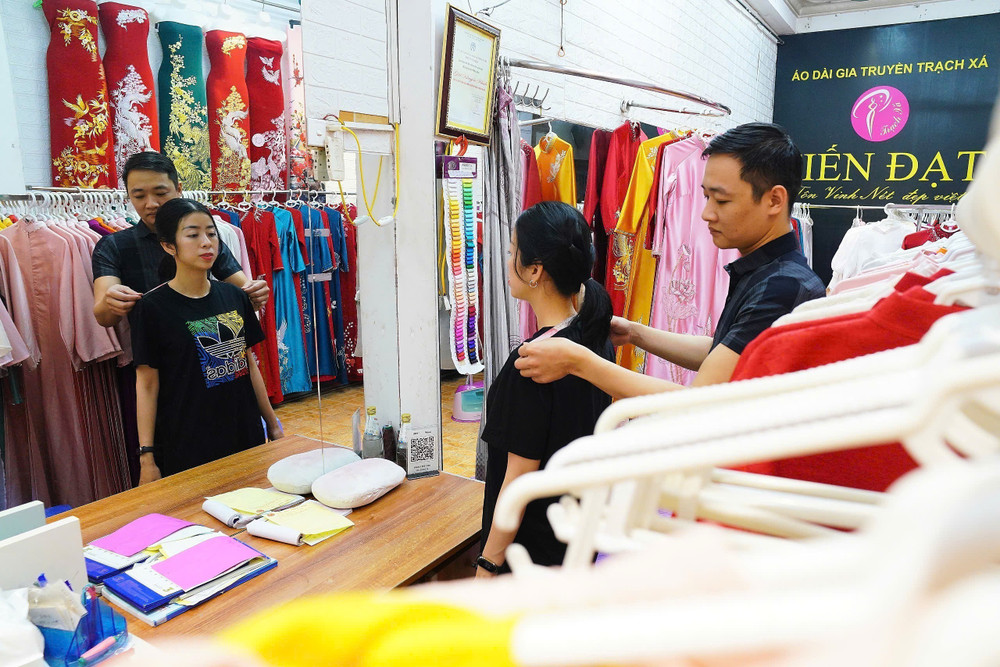
Originally serving the royal families, the tailors of Trach Xa carry a legacy of patience and perfection. When you visit a village like this, you aren’t just buying a garment; you are witnessing a skill that has survived wars and economic shifts. At VRTO, we encourage our guests to visit these “Living Museums” to understand why responsible travel in Vietnam is about more than just sightseeing—it’s about preserving the dignity of human labor.
2. Hoi An Tailoring: Beyond Fast Fashion
Hoi An is globally famous for its 24-hour tailoring, but in 2026, the focus has shifted towards Sustainable Fashion. High-end travelers are now looking for “Ethical Tailors”—those who use natural silks, pay fair wages to their seamstresses, and maintain the slow, meticulous skills passed down through generations.
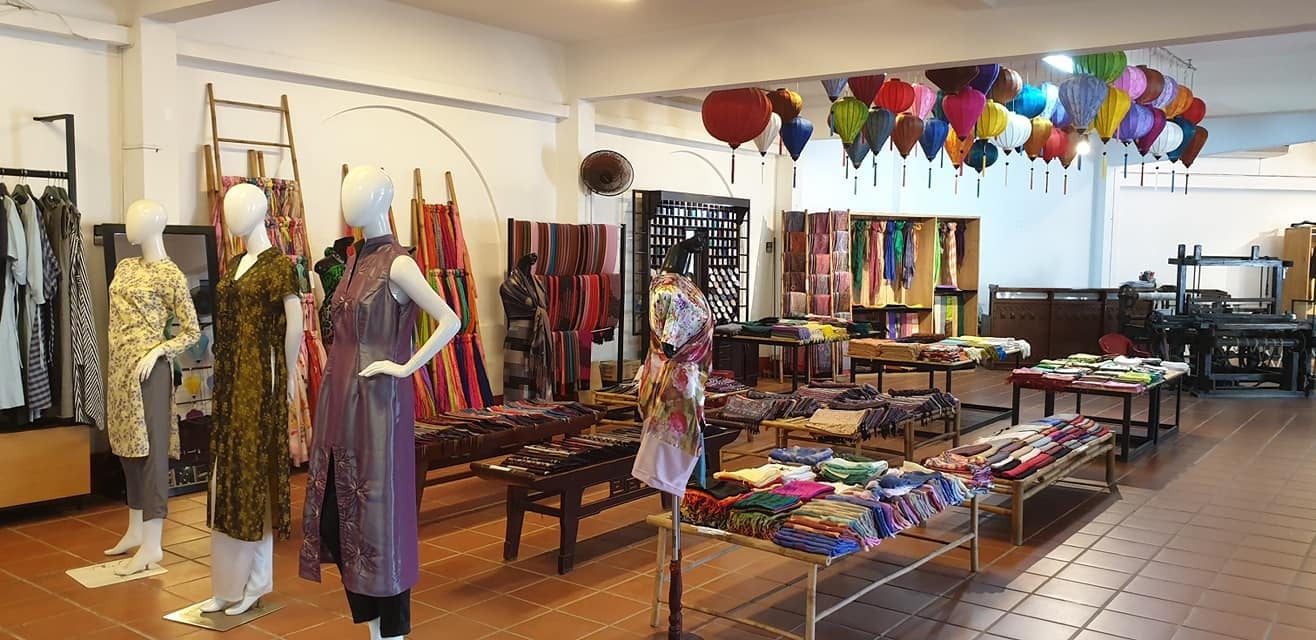
Choosing a sustainable tailor in Hoi An means you are helping to keep a centuries-old skill alive in a world dominated by fast-fashion giants. It is an act of “Mindful Luxury.” This philosophy of choosing quality over quantity is a core value we promote across all our destinations, whether you are exploring the ancient streets of Hoi An or the quiet valleys of the North.
3. The Power of Your Purchase: Handicrafts vs. Mass Production
Every time a traveler chooses a handmade bamboo basket over a plastic one, or a hand-woven textile over a machine-printed scarf, a small victory is won for the environment.
- Economic Impact: 100% of the profit from a village-made craft stays within the community, supporting local schools and health initiatives.
- Environmental Impact: Traditional crafts use natural materials—silk, cotton, wood, and stone—which have a significantly lower carbon footprint than industrial goods.
- Cultural Preservation: When artisans can make a fair living, the younger generation is inspired to stay in their villages and learn the trade, preventing the “urban migration” that drains the spirit of the countryside.
4. How to be a “Craft Guardian” in 2026
To ensure your shopping has a positive impact, VRTO suggests a few simple practices:
- Ask the Story: Engage with the artisan. How long did it take to make? Where did the materials come from?
- Pay the Fair Price: As we discuss in our travel etiquette guide, bargaining should be a friendly conversation, not a war. If a price feels fair for the hours of work involved, pay it with a smile.
- Support Community Projects: Many villages now have vocational centers for local youth. At VRTO, we take pride in empowering local youth through tourism, ensuring that ancient skills are married with modern professional standards.
By choosing to be a “Craft Guardian,” you ensure that the vibrant colors and intricate textures of Vietnam remain for generations to come. You leave Vietnam not just with a souvenir, but with the knowledge that you have helped keep a culture alive.
Contact us to create your ideal itinerary. Let us help you craft a personalized itinerary with local guides, visits to authentic craft villages, and exclusive encounters with the master artisans of Vietnam.
Vietnam Responsible Tourism is a travel agency that associates with different Community-based Tourism groups with the aim to improve living conditions in remote mountain regions of Vietnam since 2017.